Guide · Generators
Beware of Backfeeding
Backfeeding a portable generator into household wiring can create serious hazards. A safe home backup-power plan needs proper equipment that isolates generator power from the utility.
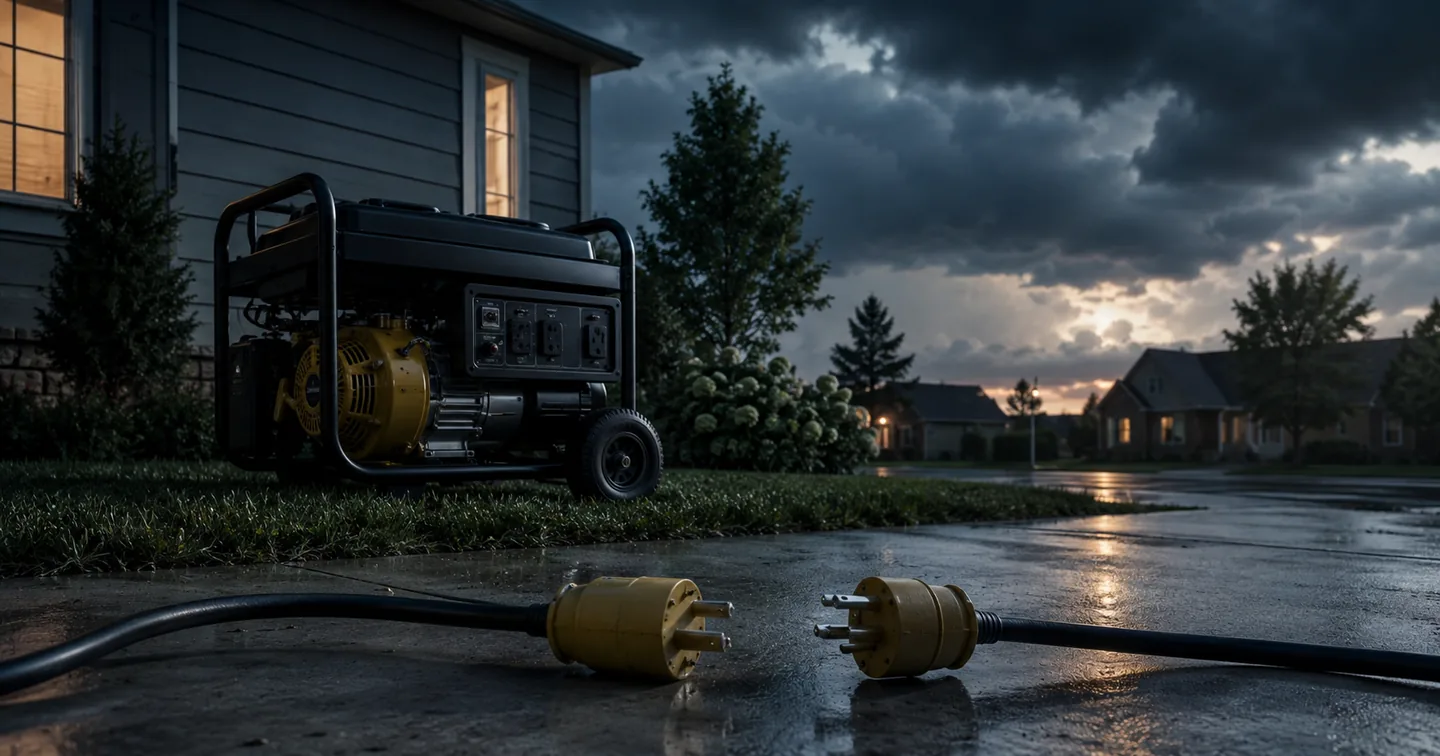
How NOT to Connect a Portable Generator to Your House
A portable generator can keep a refrigerator cold, run a well pump, or keep a few important things working during an outage.
It can also become extremely dangerous if you connect it to your house the wrong way.
The big mistake to avoid is backfeeding.
Backfeeding happens when generator power is fed into your home’s electrical wiring without equipment that properly isolates the house from the utility.
One of the classic examples is trying to power the house by plugging a generator into a dryer outlet, range outlet, or some other receptacle using an improvised cord.
Don’t do it.
If you want a portable generator to power circuits in your electrical panel, have the house set up with proper transfer equipment by a qualified electrician.
What Is Generator Backfeeding?
Normally, electricity flows from the utility, through your meter and electrical panel, and then out to the circuits in your house.
A generator changes where that electricity is coming from.
That isn’t a problem when the generator is connected correctly.
The problem is when generator power is introduced directly into the home’s wiring without properly disconnecting the house from the utility.
Now electricity can travel in directions you never intended.
Instead of remaining inside your house, generator power may feed back toward the utility system.
That’s where this becomes more than a bad DIY project.
It can put other people in danger.
Why Backfeeding Is So Dangerous
Imagine a storm knocks a tree onto the power lines in your neighborhood.
The utility shuts down or loses power to that section of the grid.
A lineworker arrives and begins repairing what should be a de-energized line.
Meanwhile, someone nearby starts a portable generator and improperly connects it to the electrical system in their house.
That generator can energize wiring outside the house.
The amount of power produced by a portable generator may seem small compared with the electrical grid, but electrical equipment and transformers can create hazardous conditions on lines workers expected to be dead.
OSHA specifically warns utility workers that supposedly de-energized electrical lines can become energized through backfeed from portable generators.
OSHA has also documented a generator-backfeed incident involving a worker shocked while working on an electrical system thought to be de-energized.
Backfeeding incidents have also resulted in electrical shocks, serious burns, and deaths.
Never Plug a Generator Into a Dryer or Range Outlet
This is probably the shortcut most homeowners need to know about.
You may look at a large 240-volt outlet in the garage or laundry room and think:
The generator has a large outlet. The house has a large outlet. Why can’t I just connect the two?
Because the outlet wasn’t designed to be an input for generator power.
Trying to feed a house this way bypasses the safety equipment that should keep generator power isolated from utility power.
It can energize the electrical panel and potentially the utility side of the electrical system.
There is another obvious problem: making this work often involves an improvised cord with exposed energized prongs.
You’ll sometimes hear these referred to as “suicide cords.”
The name isn’t an exaggeration.
A cord with male plugs on both ends can leave exposed metal prongs energized.
There is no reason to own or use one.
Turning Off the Main Breaker Is Not a Generator Connection System
Another version of the same idea goes something like this:
I’ll just turn off the main breaker before I plug the generator into the house.
That’s not how I would approach backup power.
You’re relying on a manual action to prevent an extremely serious electrical hazard.
Someone else can move the breaker.
You can forget.
The system can be changed later.
And none of that turns an improvised generator connection into a properly designed installation.
If you want the generator connected to circuits in your panel, use equipment intended to prevent utility power and generator power from being connected to the house at the same time.
This is a place where I’d bring in an electrician rather than inventing a workaround.
What a Transfer Switch Does
A transfer switch solves the central problem.
It lets the electrical system receive power from either:
- the utility, or
- the generator
without allowing the two sources to feed the house at the same time.
When properly installed, the generator is isolated from the utility supply before it powers the selected household circuits.
That’s what you want.
Some homes use a manual transfer system for a portable generator.
Others use automatic transfer equipment with a permanently installed standby generator.
There are also other code-compliant generator connection arrangements depending on the electrical system and local requirements.
The exact equipment is something I’d have a qualified electrician determine for the house.
The important part is the same:
There needs to be a reliable way to prevent generator power from being sent back toward the utility.
What About a Generator Inlet?
A properly installed generator inlet can be part of a good portable-generator setup.
The inlet gives you a purpose-built place outside the house to connect the generator.
From there, appropriately installed transfer equipment controls how that power reaches the home’s electrical system.
That’s completely different from plugging a generator into an ordinary household receptacle.
If I knew I wanted to use a portable generator regularly during outages, this is the kind of permanent setup I’d look into.
It’s cleaner, safer, and much easier to use when the power actually goes out.
You Don’t Have to Connect the Generator to the House
There is another perfectly reasonable option:
Don’t connect it to the electrical panel at all.
For a small portable generator, you may only need to power a few individual appliances.
Depending on the generator and appliance instructions, properly rated extension cords can sometimes be used to connect appropriate loads directly to the generator.
That may be enough to keep things like a refrigerator or freezer running through a short outage.
Once you want the generator powering permanent household circuits, though, I’d stop improvising and have the proper connection equipment installed.
Backfeeding Can Damage More Than the Utility System
The danger to lineworkers is reason enough not to backfeed.
But your own equipment isn’t necessarily safe either.
Utility power can come back without much warning.
If your generator is improperly connected when that happens, you’re potentially connecting two independent electrical sources that were never supposed to meet that way.
That can damage:
- the generator
- household wiring
- connected appliances
- electrical equipment
and create serious shock, arc, and fire hazards.
The fact that an improvised connection appears to “work” during an outage doesn’t make it safe.
That’s what makes backfeeding particularly deceptive.
You can do something dangerously wrong and have it appear completely normal right up until the conditions change.
A Real Risk to Utility Workers
This is the part I think homeowners sometimes miss.
During a major outage, utility crews may be working on damaged electrical equipment throughout the neighborhood.
Those workers have procedures for isolating and grounding lines, in part because unexpected sources of electricity are a known hazard.
Portable generators are one of those possible sources.
OSHA has documented incidents where generator backfeed contributed to workers being shocked while working on electrical systems thought to be de-energized.
So when someone improperly connects a generator to a house, they’re not only taking a risk inside their own garage.
They’re potentially creating a hazard somewhere else on the electrical system.
The Safe Way to Think About Generator Power
I think the easiest rule is this:
If you’re powering an individual appliance:
Use the generator only in a manner allowed by its manufacturer, with properly rated equipment and the generator operating outdoors in a safe location.
If you’re powering circuits in the house:
Have proper generator connection and transfer equipment installed.
If the plan involves plugging a generator into a dryer outlet, range outlet, or ordinary house receptacle:
Stop.
That’s not the shortcut you’re looking for.
Don’t Forget Carbon Monoxide
Backfeeding isn’t the only serious generator hazard.
Portable generators produce carbon monoxide.
They should never be operated inside a house, garage, basement, shed, or other enclosed or partially enclosed space.
Don’t assume an open garage door makes the garage safe.
Electrical Safety Foundation International’s generator safety guidance reinforces the need to keep generators outdoors and away from openings where exhaust could enter the home.
Follow the generator manufacturer’s placement requirements and keep exhaust away from doors, windows, vents, and other openings where it could enter the home.
Working out the electrical connection doesn’t make indoor generator operation safe.
Set It Up Before the Outage
The worst time to figure out how you’re going to connect a generator is at night, during a storm, after the power has already gone out.
If you want backup power for the house, figure out the setup ahead of time.
Know:
- what you actually want to power
- how much generator capacity you need
- where the generator can operate safely
- where it will connect
- how generator power will be isolated from utility power
Use our portable generator wattage calculator to start with the loads you actually want to keep running.
Then have the permanent electrical work handled properly.
Portable generators are incredibly useful.
But there is a big difference between owning a generator and having a safe home backup-power system.
If you’re trying to turn the first into the second, don’t do it with an improvised cord and a dryer outlet.
For the broader generator decisions that are worth making before an outage, see our guides to gas vs. propane vs. dual-fuel generators and solar generators vs. gas generators. If your generator will not start when you need it, start with the basic checks in Generator Won’t Start?.
Related guides
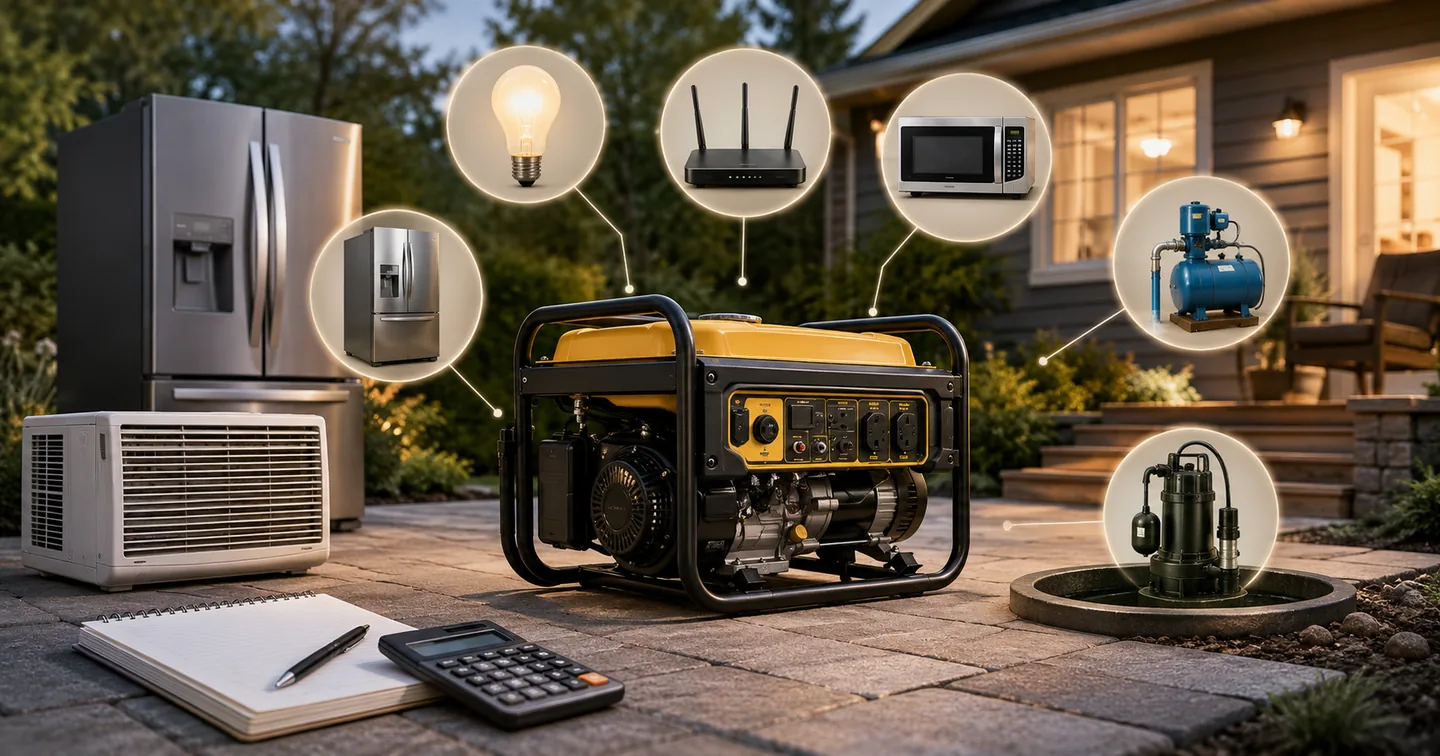
guide · Generators
What Size Portable Generator Do I Need?
guide · Generators
Generator Won't Start? Check These Things First
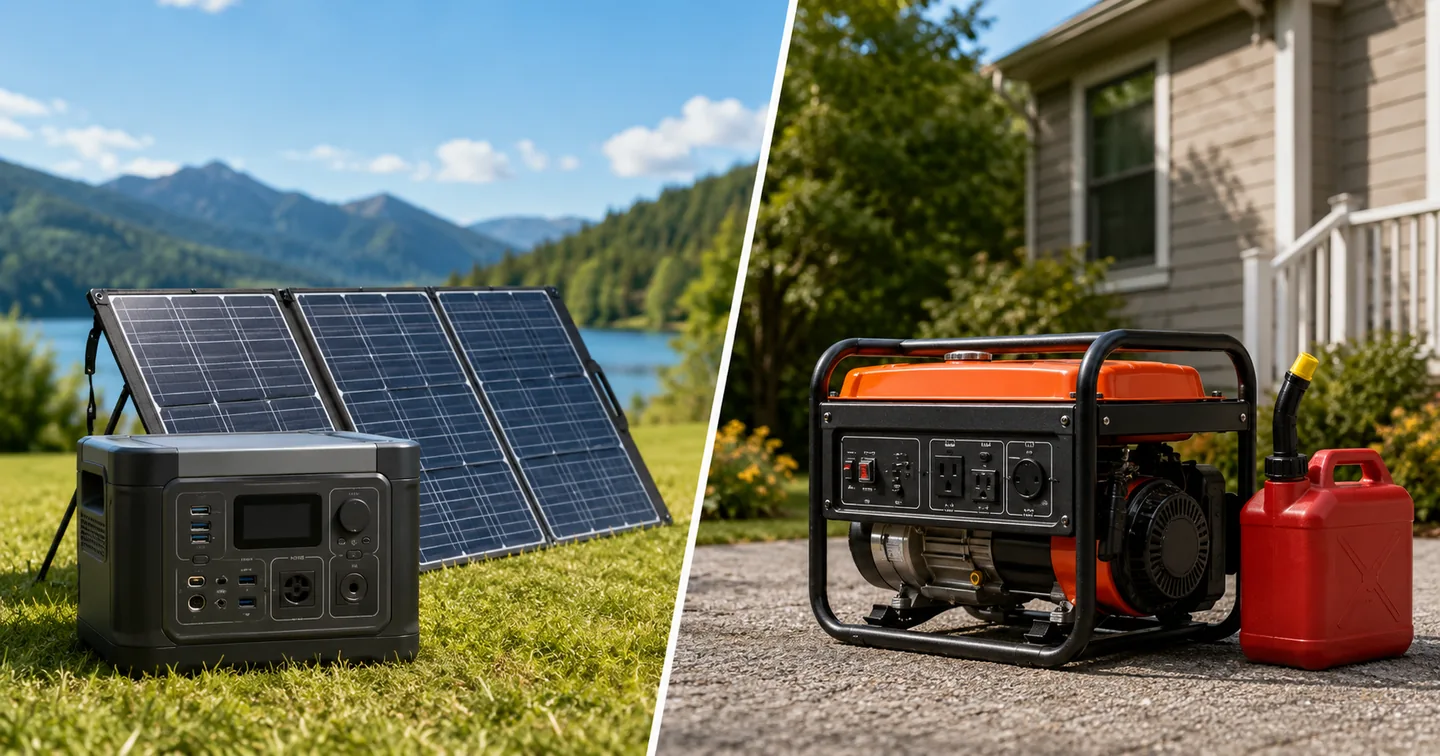
comparison · Generators
Solar Generator vs. Gas Generator
comparison · Generators