Comparison · Generators
Gas vs. Propane vs. Dual-Fuel Generators
Fuel choice deserves almost as much attention as wattage when a portable generator is emergency equipment.
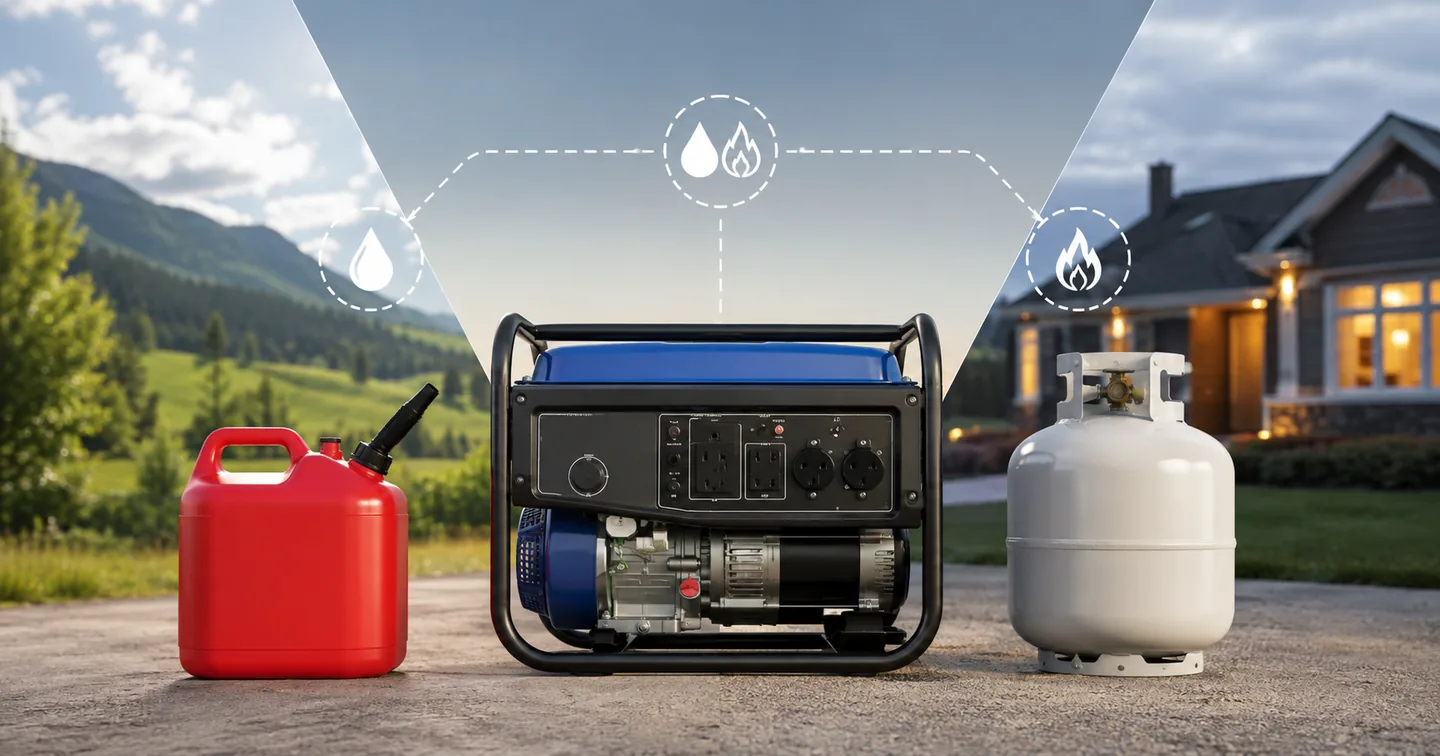
Which Fuel Makes the Most Sense for Backup Power?
If you’re buying a portable generator for emergencies, I think fuel choice deserves almost as much attention as wattage.
The generator isn’t very useful if you can’t feed it.
Gasoline is familiar and generally gives you the most electrical output. Propane stores well and avoids a lot of the stale-gas problems that come with equipment sitting unused. Dual fuel gives you both.
For a lot of homeowners buying specifically for emergency backup, that’s why I’d start by looking seriously at a dual-fuel machine. Not because dual fuel is automatically better. Because an emergency is exactly when having another option matters.
The Short Answer
I’d think about it like this:
Gasoline: Best if maximum generator output and easy everyday fuel availability matter most.
Propane: Best if long-term fuel storage and avoiding stale gasoline matter more than getting every last watt from the generator.
Dual fuel: Best if you’re willing to pay for flexibility and want propane for storage with gasoline available as another option during a long outage.
If you have natural-gas service, I’d also consider a tri-fuel generator before buying.
Why Gasoline Is Still So Common
There’s a reason gasoline remains the default fuel for portable generators. It’s everywhere. Under normal conditions, almost every town has multiple places where you can fill a gas can.
And on a multi-fuel generator, gasoline will commonly provide the machine’s highest rated power output. That matters if you’re already close to the generator’s limits.
If you need to start a large well pump or other high-surge load, the difference between the gasoline and propane ratings may matter more than it would for someone just running a refrigerator.
The Big Problem With Gasoline: Storage
The downside is that gasoline doesn’t particularly enjoy sitting around waiting for the apocalypse. It ages. The storage system needs attention. Old fuel can contribute to carburetor and starting problems.
And if you’re keeping emergency gasoline at home, you now have to think about safe containers, storage location, fire code, fuel rotation, stabilizer where appropriate, and keeping the generator’s fuel system ready for storage.
None of those are impossible. They’re just part of owning a gasoline generator. Read How to Safely Store Gasoline for a Portable Generator before treating stored fuel as an afterthought.
Propane Is Much Easier to Keep Around
This is probably propane’s biggest advantage for emergency preparation. A sealed propane cylinder doesn’t have the same stale-fuel problem as a gas can full of gasoline.
If the cylinder is in good condition and being stored appropriately, you’re not periodically trying to decide what to do with aging gasoline. That’s appealing for a generator that may sit unused for a year.
You can keep the generator itself free from gasoline-related storage problems and connect propane when it’s actually needed.
Propane Usually Means Less Generator Output
This is the tradeoff people need to see before buying.
A dual-fuel generator may have one set of wattage ratings on gasoline and a lower set on propane. Current multi-fuel model specifications commonly list distinct output ratings by fuel.
That doesn’t mean propane is bad. It means you should size the generator using the fuel you actually expect to use.
If the machine needs to provide 5,000 running watts on propane, don’t buy one whose 5,000-watt rating only applies to gasoline. Read both specifications.
What About Runtime?
This gets messy quickly. You can’t simply say propane runs longer or gasoline runs longer.
Runtime depends on generator size, load, gasoline tank size, propane cylinder size, engine, and ambient conditions.
A large propane cylinder changes the comparison considerably. So instead of comparing marketing headlines, I’d compare the actual configurations you’re willing to keep at home.
For gasoline: How much fuel am I realistically storing?
For propane: What size cylinder am I realistically keeping available?
That’s the useful comparison.
Refueling Gasoline Is Faster—but You Need Gasoline
During a normal weekend project, gasoline is extremely convenient. During a widespread outage, the equation can change: gas stations may lose electricity, have long lines, run out of fuel, or face the same supply issues everyone else is dealing with.
That doesn’t make propane immune to shortages. But having both available gives you another path. That’s the real argument for dual fuel.
Propane Can Be Cleaner for the Fuel System
One thing I like about using propane on a generator that spends most of its life in storage is that you’re not leaving gasoline sitting in the carburetor.
That can simplify storage. You still have normal engine maintenance: oil, spark plug, air filter, battery where applicable. Propane doesn’t turn an engine into a maintenance-free appliance. But it eliminates one of the annoying storage variables associated with gasoline.
Gasoline Gives You More Energy in a Small Portable Package
Gasoline’s advantage is convenience of energy density. A five-gallon gasoline can contains a lot of usable fuel in a relatively compact container. Propane cylinders can become bulky if you’re planning for a lot of runtime.
That’s worth thinking about if storage space is limited, you’re transporting the generator, you’re using it on a jobsite, or you’re camping or traveling. Fuel flexibility doesn’t automatically mean fuel convenience.
Is Dual Fuel Worth It?
For home backup, I think it often is.
Imagine an outage starts. You begin on propane because you already have a cylinder stored. The outage keeps going. Now you have the option to switch to gasoline when you can get it.
Neither scenario is guaranteed. The point is simply that you’re not locked to one fuel. For a piece of emergency equipment, I like that.
When I’d Buy Gasoline-Only
Gasoline-only still makes complete sense when price matters, you use the generator frequently, fuel isn’t sitting around for long periods, you want maximum rated output, or the generator is primarily for jobsites or regular work.
If I were running the machine often enough that gasoline stayed fresh naturally, the storage disadvantage becomes much less important.
When I’d Choose Propane First
I’d lean propane when the generator is primarily emergency equipment, may sit unused for long periods, I already keep propane on the property, avoiding gasoline storage is important, and slightly reduced output isn’t a problem.
For occasional backup power, that’s a very reasonable setup.
When I’d Buy Dual Fuel
This is my favorite middle ground for a lot of homeowners. I’d use propane as the easy-to-store emergency reserve and keep gasoline as an option when I needed maximum output, additional runtime, or easier fuel availability during normal conditions.
It doesn’t eliminate the downsides of either fuel. It lets you choose which downside you’d rather deal with at the moment.
What About Tri Fuel?
If your house has natural-gas service, don’t stop the comparison at dual fuel. A tri-fuel generator can add natural gas alongside gasoline and propane.
Potentially no carrying fuel cans or changing propane cylinders while utility gas service remains available.
There are tradeoffs. The generator will commonly have a lower output rating on natural gas than gasoline. The fuel connection also needs to meet the generator manufacturer’s requirements.
But for a homeowner already considering a larger emergency generator, tri fuel can be very compelling.
All Combustion Generators Still Produce Carbon Monoxide
Propane is not an indoor-generator fuel. Natural gas is not an indoor-generator fuel. Switching away from gasoline does not make a portable combustion generator safe to run in a garage, house, basement, shed, or enclosed porch.
These engines still produce carbon monoxide. Operate the generator outside, well away from the home, with exhaust directed away from openings and occupied buildings. See current CPSC generator safety guidance.
My Choice for Home Backup
If I were buying a portable generator specifically to sit there waiting for storms, I’d probably buy dual fuel unless the price difference were unreasonable.
Then I’d design the plan around propane first. That gives me fuel that’s easy to keep available without leaving gasoline in the generator all year. But I’d still have gasoline capability when I needed more output or another fuel source.
If my home had a suitable natural-gas supply and I were buying a larger machine, I’d look very hard at tri fuel.
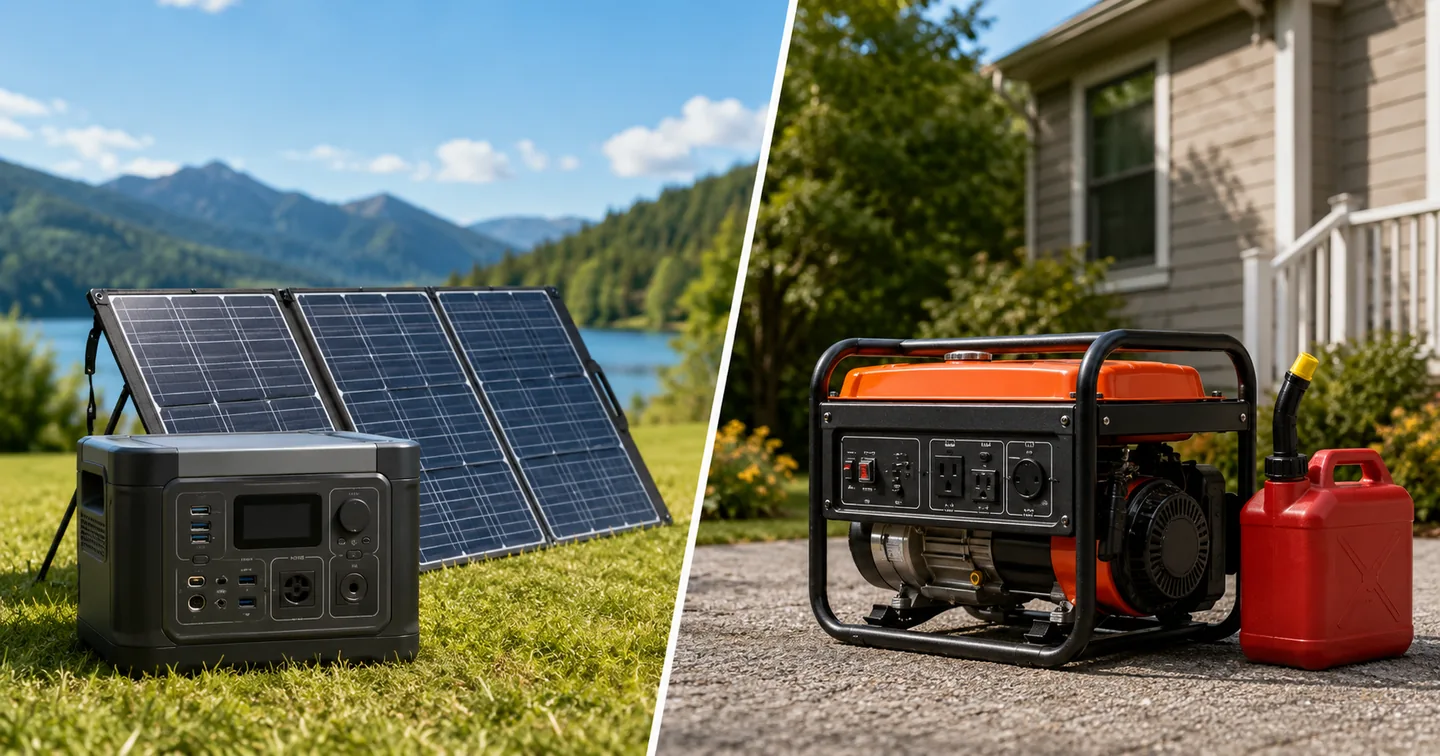
For emergency equipment, flexibility is one of the features I’m actually willing to pay for. Use the portable generator buyer’s guide and wattage calculator to match that fuel plan to the machine and loads. If you are considering quiet stored power instead of combustion backup, compare a solar generator and gas generator.
Related guides
guide · Generators
Portable Generator Buyer's Guide
guide · Generators
How to Safely Store Gasoline for a Portable Generator
guide · Generators
What Size Portable Generator Do I Need?
comparison · Generators